

d'accord
D'accord means 'okay' or 'agreed' — literally 'in agreement'. It's one of the most-used words in spoken French: it accepts an offer, confirms a plan, or simply keeps a conversation moving, exactly like 'okay' in English. 'Être d'accord' means to agree: je suis d'accord — I agree.
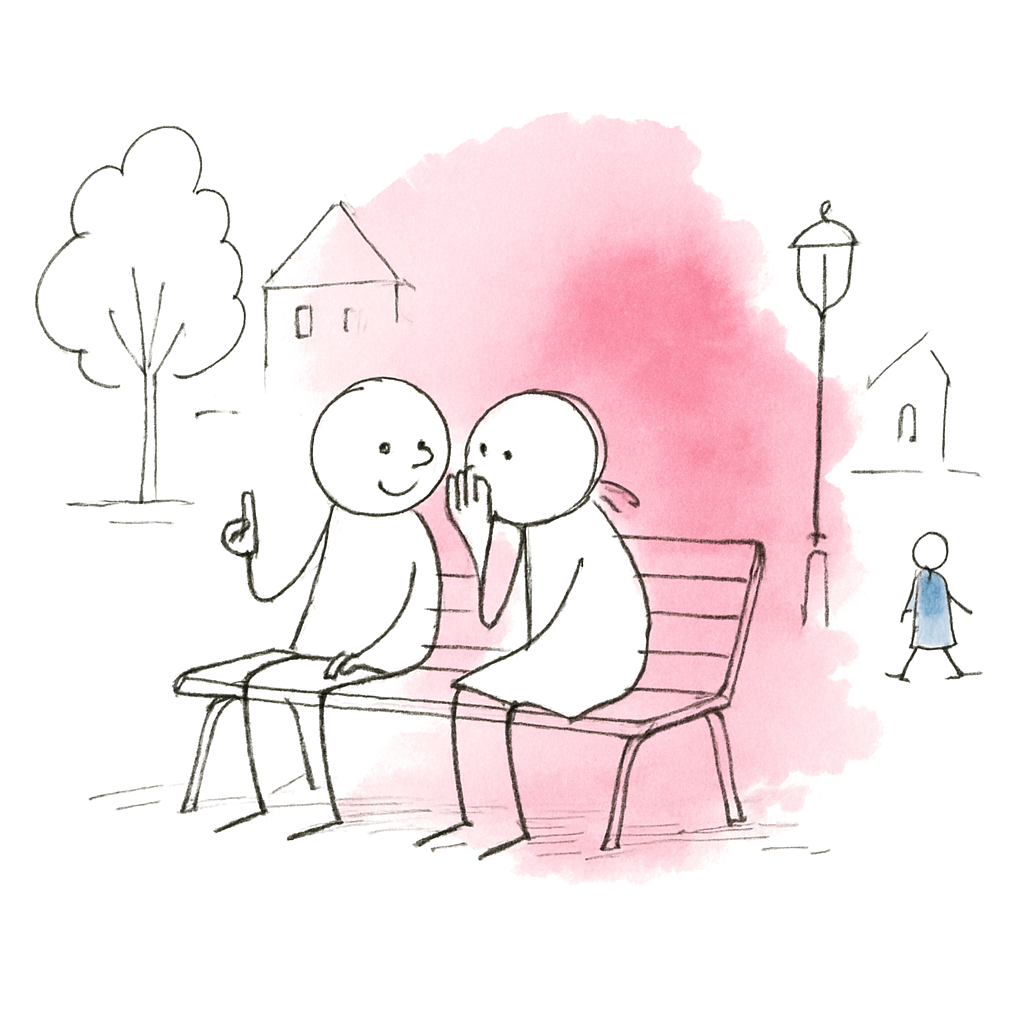
Where you'll hear it
Lucie
Salut Jean, pourquoi tu veux savoir mon deuxième prénom ?
Hi Jean, why do you want to know my middle name?
Jean
Par curiosité, ça m'intéresse toujours de connaître les gens.
Out of curiosity, I'm always interested in getting to know people.
Lucie
D'accord, je vais te le dire mais tu dois promettre de ne pas te moquer de moi.
Okay, I'll tell you but you have to promise not to make fun of me.
Jean
Je te le promets, je suis un ami fidèle et je n'ai jamais ri de quelqu'un.
I promise, I'm a loyal friend and I've never laughed at anyone.
 From the lessonQuel est ton deuxième prénom ? 💁 👌Read the full dialogue
How it shows up
D'accord, on se voit demain.
Okay, see you tomorrow.
Tu es d'accord avec moi ?
Do you agree with me?
Je ne suis pas d'accord avec toi.
I don't agree with you.
Related expressions
Join 33,000+ readers learning French in months not years 🚀
Get a new real French dialogue every week. It's free and you can unsubscribe any time 👇
*Not suitable for absolute beginners
We respect your privacy. Unsubscribe at any time.